

October is Dyslexia Awareness Month
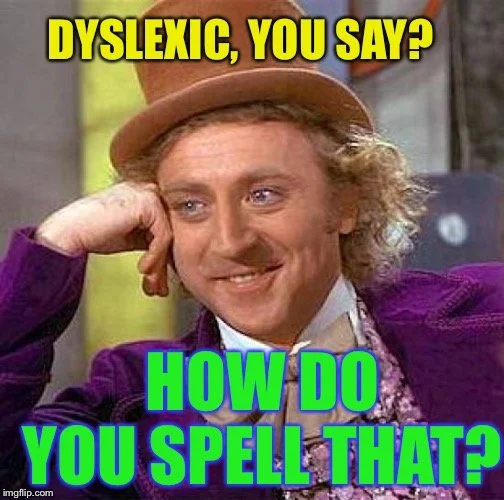
Roald Dahl was dyslexic and I bet Willy Wonka was too.
October is Dyslexia Awareness Month, and it’s close to our hearts. Stephanie and I are both dyslexic, and that’s a big part of why this store came to be. Did you know one study found that about 35% of U.S. entrepreneurs are dyslexic?
“Dyslexic brains process information differently. This results in a pattern of strengths, such as problem-solving, creative thinking, and seeing the big picture. Plus, challenges like spelling, reading, writing, and rote learning.
Dyslexics have created some of the greatest inventions of all time, from the light bulb to the motor car, the iPhone to the aeroplane.”
From Made by Dyslexia
In a survey of about 5,000 people, Drs. Brock and Fernette Eide, authors of The Dyslexic Advantage, found that people with dyslexia were more likely to think in 3D, favor big-picture thinking, and imagine how complex systems work.
This rings true for me, because my brain works much like a CAD program. When I want to make something, I can visualize it, turn it around, and take it apart to see how the pieces fit together and what order to assemble them in.
For much of my life, I thought this was how everyone’s brains worked; then I read The Dyslexic Advantage and learned that this can be an aspect of what the Eides call material-reasoning strengths. I see strong M strengths in so many of our customers, and I think a lot of folks don’t know where it comes from.
Many people only think of dyslexia as difficulty with reading and don’t understand the creative skills that come with it. Three times as many Art and Photography students are dyslexic compared with economics or law students, and 48% of people with dyslexia come up with uses of things that are different from their intended purpose, versus 9% of non-dyslexics. One of my favorite parts of working in the store is hearing the creative ideas people have for using the really random stuff we have out.
But here’s the rub: a lot of us, diagnosed or not, don't realize we became makers, artists, writers, inventors, and engeneers because of our dyslexia, not in spite of it. For years, many of us were told what we were bad at, not what we were good at. Dyslexia is a form of neurodivergence, and that difference is where a lot of our strengths come from.
If you want to learn more about the full picture of dyslexia, I recommend the book The Dyslexic Advantage. It changed my life. You can also check out Made By Dyslexia, including this cheeky video that highlights many famous dyslexics, and their podcast, "Lessons in Dyslexic Thinking." And here is a list of many famous dyslexic people. These are great places to start if you want to keep exploring.
If you know someone who has dyslexia, consider sharing this email with them. It might help them come to love their dyslexic brain.
❤️ Aran
PS: If you spot one of our spelling mistakes here or in the store, just consider it a handmade detail 😊